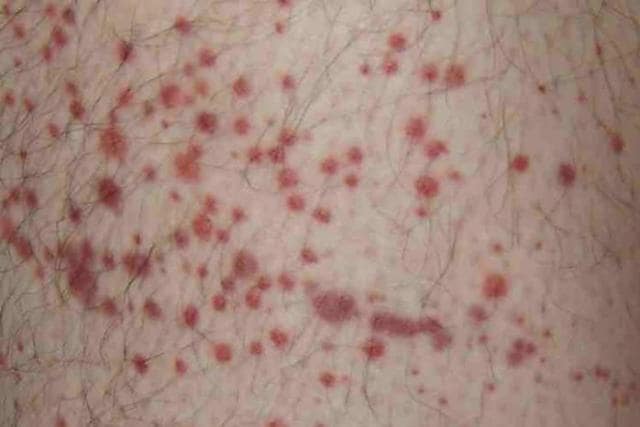
Ingrown pubic hair is usually accompanied by cysts and hard lumps that show up on the pubic area. It tends to appear after hair removal by shaving or waxing and can affect both male and female persons. Usually, it causes intense itchiness and pain, especially when it gets infected. Explore facts, pictures, causes, signs and symptoms of ingrown pubic hairs. Furthermore, learn how to get rid, remove and prevent them with treatments and home remedies.
Signs and Symptoms Ingrown Pubic Hair
Ingrown pubic hair refers to hair that gets trapped and grows beneath the skin of the pubic area. Normally, you will have the following signs and symptoms on your pubic area:
- Itchiness
- Pain and irritation
- Swelling
- Redness
- Fluid-filled blisters
- Cysts
- Hard lumps
Causes of Ingrown Pubic Hair
Pubic ingrown hair develops when hair is trapped and grows beneath your pubic area skin. This can happen in two different ways:

- Usually, as a result of hair removal by shaving or waxing. As the hair grows back, it may be trapped and coil under the skin.
- Although less common, the hair may also curl and grow back into the skin even when you have not shaved.
When hair is trapped and grows beneath your skin, your body treats it as foreign material. Consequently, the body defense mechanism responds as it tries to get rid of the hair under your skin. As a result, signs and symptoms such as itchiness, swelling, reddening, cysts and hard lumps begin to show up.
The common factors that may encourage ingrown pubic hair include the following:
1. Cutting the Hair Beneath the Skin
During shaving, you may want to remove all the hair on the pubic area. However, when you cut the hair too close to the skin, it might easily get trapped and coil under the skin when it begins to grow.
3. Hard and Culy Pubic Hair
The nature of your pubic hair may encourage ingrown pubic hairs. Curly hair can easily coil beneath after shaving. On the other hand, hard and curly hair is more likely to curl back into the skin and penetrate it. Coincidentally, pubic hair is often more coarse than the hair on other parts of the body.
2. Poor Shaving Techniques
Often, using blunt shavers during hair may cause tugging and pulling the pubic hair. Another poor shaving technique entails pulling the shaver at the skin.
These techniques irritate the skin around the hair causing it to swell. This makes it easy for the hair to get trapped under the swollen skin as it starts to grow.
4. Sensitive Skin in the Pubic Area
A very sensitive skin on the pubic area means that it gets irritated easily during shaving. As a result, it may get swollen especially around the hair follicles. As the hair regrows. It is more likely to get trapped under the skin
Ingrown Pubic Hair Pictures
We have inserted images of ingrown pubic hair in relevant sections of this post. You can use them to get hints on how ingrown pubic hair appears. However, you should no use the pictures for self-diagnosis. Visit your doctor for proper diagnosis and treatment. You might be having a similar but different health problem that might require medical attention.
Ingrown Pubic Hair Hard Lump
Ingrown hairs are usually accompanied by hard lumps around the affected hair. They develop in response to the presence of the hair under the skin which is considered as a foreign object.

Ingrown Pubic Hair Cyst
An ingrown hair may lead to the development of an ingrown pubic hair cyst as the body responds to its presence in the skin. This is a sac-like structure that contains a fluid. It can form just beneath the skin or deep and around the affected hair follicle.
Infected Ingrown Pubic Hair
The skin around the ingrown pubic hair usually becomes irritated, and more so when you scratch it due to itchiness.
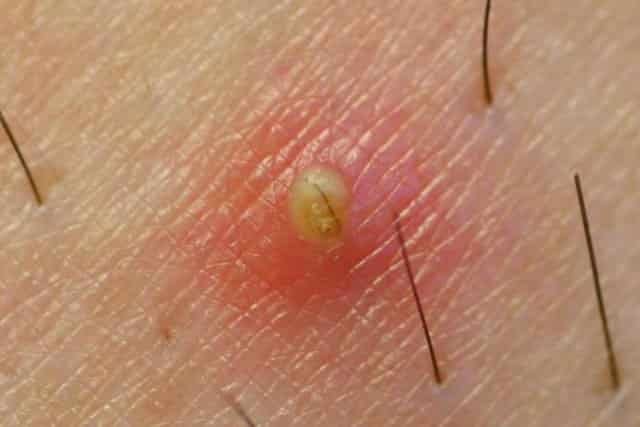
This makes it vulnerable to pathogens such as bacteria. An infected ingrown pubic hair often develops very painful pus-filled blisters or bumps.
How to Get Rid of Ingrown Pubic Hair
Ingrown hairs will eventually go away naturally when the hair finally grows out of the skin. Unfortunately, this last from a few days to several weeks depending on how severe the ingrown hair is. However, you can use a number of treatments and home remedies to get rid of ingrown hairs faster.
Ingrown Pubic Hair Treatment
A number of over-the-counter creams can help get rid of ingrown hairs. You can also remove the ingrown hair with a pair of tongs
1. Salicylic Acid
Apply salicylic acid or glycolic acid. These products keep your hair follicles open, and hence reduce chances of hair getting trapped in the hair follicle.
2. Benzoyl Peroxide Cream
Benzoyl peroxide creams can help dry up the affected area and reduce redness as the ingrown hair heals.
3. Appropriate Moisturizers
Apply a non-greasy moisturizer to remove dead skin cells. These often block the follicles and lead to ingrown hairs.
Home Remedies for Ingrown Pubic Hair
Home remedies for ingrown pubic hair can help cure or prevent infections. They can also get rid of ingrown hair bumps, blisters or cysts that may have formed. This enables the hair to grow out of the skin or make it easy to remove it. Some of the common home remedies you can use include:
1. Hot Compress
A hot compress will get rid of swelling bumps due to the ingrown pubic hair. It will also soothe the pickling and itchiness.
Dip face towel in fairly hot water for a few seconds and ring out all the excess water. Apply the hot towel to the affected area gently while applying a little pressure. Repeat this twice a day.
2. Cold Compress
A cold compress will particularly soothe irritation and itchiness on the ingrown pubic hair. It provides a quick relief to the discomfort by temporarily numbing the affected area.
Gently apply a cold compress to the affected skin for a few minutes and remove it alternately. Repeat this a number of times to get relieved.
3. Tea Tree Oil
Tea tree oil has antibacterial, antiseptic and anti-inflammatory properties. It helps relieve redness, swelling and itching. It also cures and prevents infections.
Apply dilute tea tree oil on the ingrown pubic hair for about 10 minutes. Repeat this procedure twice a day for a few days.
4. Baking Soda
Baking soda has anti-inflammatory properties that help soothe and prevents irritation. It also helps exfoliates the skin in the affected area.
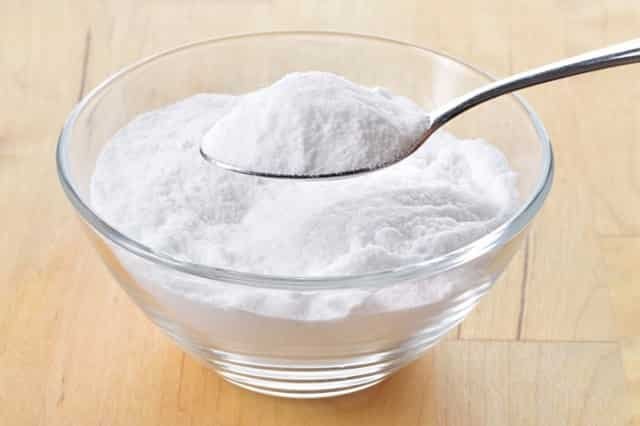
Add 1 tablespoon of baking soda into 1 cup of water. Use a cotton ball to apply it to your skin, and then rinse with cold water. Repeat this procedure twice a day.
5. Aloe Vera
Aloe Vera has antimicrobial properties that cure and prevent infections, bumps and cysts due to ingrown pubic hair. It also helps soothe the burning or itching sensation that normally accompanies ingrown hairs.
Extract and apply Aloe Vera gel to the affected area and let it dry on it. Repeat this twice a day for a few days.
6. Apple Cider Vinegar
Apple cider vinegar contains acetic acid that cures and prevents infections. It is also a natural anti-inflammatory and hence will help relieve swelling and redness on the irritated skin. It also soothes burning and itchiness in the pubic area.

Apply apple cider vinegar on the affected area using a cotton ball for about 10 minutes. Repeat this twice a day for a few days.
Removal of Ingrown Pubic Hair
Use the following procedure to remove ingrown hairs on the pubic region. Be careful not to pluck out the hair completely: Only remove the embedded end from the skin.
- Apply a warm compress to soften the skin around the ingrown hair to prevent irritation during removal.
- Use sterilized tweezers or a needle to gently pull out the embedded end of the ingrown hairs, one by one.
How to Prevent Ingrown Pubic Hair
There are various ways of preventing or minimizing the risk of ingrown pubic hairs. Basically, the measures involve use of proper hair shaving techniques or alternative hair removal procedures. The common measures you can take include the following.
1. Treat the pubic Area before Shaving
You can minimize the risk of ingrown pubic hair by treating the pubic area before hair removal. Begin with washing the area with some soap and dry the area. Then apply a lubricating shave cream or gel, or any appropriate specially tailored for pubic area. Wait for a while and begin shaving.
2. Soak the Hair in Warm Water before Shaving
In case you have really coarse hair on your pubic region, you may want to first apply soak it. Wash the area with warm water for a while to give it time to soak. Let it dry before rubbing on the lubricating shave cream or gel. After a while begins shaving.
3. Use Proper Shaving Techniques
When shaving, observe the following measures. They will reduce tugging and pulling the hair as well as irritation of the skin on the pubic area. This will minimize chances of developing ingrown hair.
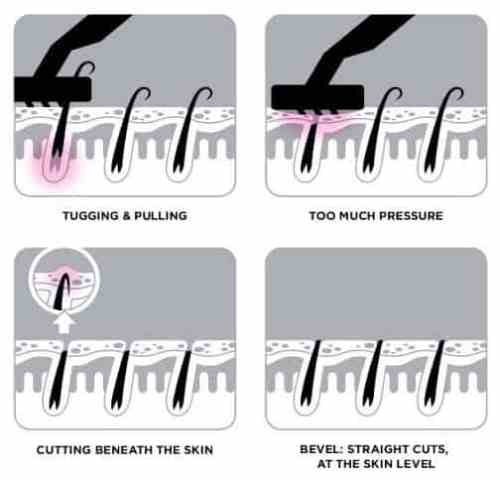
- Always shave along teh grain. Don’t ever dry-shave
- Always shave with sharp blades
- Do not shave too rapidly
- Do not pull at the skin while shaving
- Do not apply too much pressure while shaving
- Do not cut the hair too close to the skin or beneath the skin
- After shaving moisturize the skin with appropriate after-shave
4. Exfoliate Before and After Shaving
Exfoliation gets rid of dead skin of the pubic area. The presence of dead skin may clog the hair follicles leading to ingrown hairs.
5. Avoid Multiple Blade Razors for Hair Removal
A single-bladed razor will minimize chances of tagging and pulling hair while shaving. This is not the case with multiple blade razors (double, triple e.t.c razors) in which hair may entangle as you shave.
6. Use Special Razor Blades for Hair Removal
There are razors that are specially designed to reduce the chances of ingrown hairs in various ways. You can acquire and use these special razor blades to prevent ingrown pubic hair
7. Use Non-Razor Hair Removal Methods
Opt for non-razor hair removal methods such as by chemical depilatory. This is the use of chemicals to remove hair. Chemical depilatories are available in different forms: cream, gel lotion, aerosol, roll-on and powder. Common ones include Veet, Nair and Magic Shave, which are available over-the-counter
8. Use Long Term Hair Removal Techniques
You can avoid ingrown hairs by using semi-permanent hair removal techniques that decrease the frequency shaving. Sometimes, some prescription creams are used after these hair removal procedures to further reduce hair regrowth. Some of the common permanent hair removal techniques include:
- Waxing: This is a technique that removes hair from the root. It takes up to 6 months for hair removed by this method to regrow. Although may experience some skin irritation after waxing, ingrown hairs are not likely to develop.
- Laser Hair Removal: In this procedure, unwanted hair is removed by destroying hair follicles with pulses of laser light. It takes up to 6 months for hair removed by laser treatment to regrow.
- Hair removal by Electrolysis: This procedure employs an electrode to destroy the hair root. More than one treatment over a few weeks is required for complete hair removal.
When to See a Doctor
Ingrown pubic hair should not be a cause for concern. Normally, it clears up on its own or with measures and home remedies the suggested above. You can avoid this problem in future by following prevention measures discussed above. However, you may want to see a doctor if:
- You tend to get ingrown pubic hairs often even after trying the preventive measures discussed. Your doctor will offer you appropriate advice on how to prevent them in future
- The ingrown hairs become very painful for long, especially when you suspect that they are infected. Your doctor will diagnose and prescribe appropriate medication.
- You have too much hair in your pubic area. Your doctor will find out the health issues that could be causing this abnormal hair growth on your pubic area and find solutions for you.
Conclusion
Ingrown pubic hair is one of the causes of bumps on pubic area. You should be careful not to mistake other public health problems with ingrown pubic hair. The other problems might require different or urgent medical attention.
Ingrown hair also often develop in armpit, on face, on legs and on arms. You may also develop ingrown hair on neck, on thigh, on scalp or head, and on groin. Genital ingrown hair may develop on Penis and base of penile shaft or on vagina (labia minora or majora). Other areas include on lip, on eyebrow and on eyelash.
Other common problems associated with ingrown hairs include infected ingrown hair, ingrown hair bumps, and ingrown hair cysts. Less common issues include ingrown hair boils, ingrown hair blisters and ingrown hair scars.
Sources and References
[showhide type=”links” more_text=”Show Sources and References” less_text=”Hide Sources and References”]
- Ingrown pubic hair: https://www.express.co.uk/life-style/life/768412/ingrown-pubic-hair
- Ingrown Pubic Hair: https://healthsurgical.com/ingrown-pubic-hair.html
- Treating and Preventing Ingrown Pubic Hair: https://www.healthline.com/health/treating-preventing-ingrown-vaginal-hair#prevention
- How to get rid of ingrown pubic hair: https://www.express.co.uk/life-style/life/830890/how-to-get-rid-of-ingrown-pubic-hair
- How Long Does It Take for Ingrown Hairs to Go Away? https://www.leaf.tv/articles/how-long-does-it-take-for-ingrown-hairs-to-go-away/
- How to Get Rid of Ingrown Pubic Hair: https://www.wikihow.com/Get-Rid-of-Ingrown-Pubic-Hair [/showhide]